
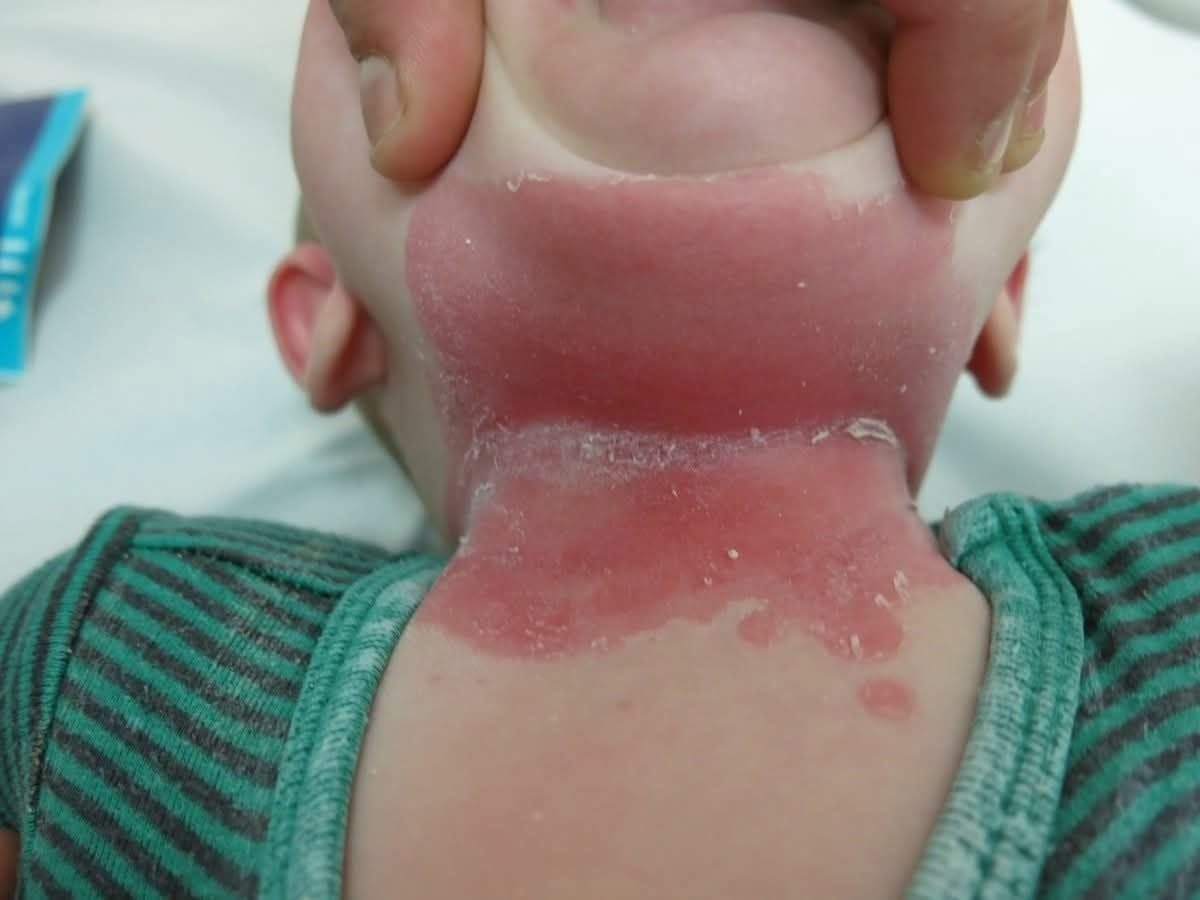
Rashes on Babies: A Parent’s Guide
Baby skin is delicate, so rashes are extremely common in the first months and years of life. Most rashes are harmless and go away on their own, but understanding what they look like—and when to seek help—can make caring for your baby much easier.
Why Do Babies Get Rashes?
Babies’ skin is thinner and more sensitive than adult skin. Their immune systems are still developing, and they react more strongly to:
- Heat and moisture
- Irritants like soaps or detergents
- Saliva, drool, or milk
- Contact with diapers
- Viruses and common childhood illnesses
- Allergens or new foods
Common Types of Baby Rashes
1. Diaper Rash
- What it looks like: Red, irritated skin on the buttocks or genitals.
- Causes: Moisture, friction, prolonged contact with urine or stool.
- Care: Frequent diaper changes, air-drying, zinc-oxide creams.
2. Eczema (Atopic Dermatitis)
- What it looks like: Dry, itchy patches—often on cheeks, arms, or behind knees.
- Causes: Sensitive skin, genetics, irritation, sometimes allergens.
- Care: Moisturizers, gentle cleansers, avoiding triggers.
3. Heat Rash (Prickly Heat)
- What it looks like: Tiny red bumps, usually on neck, chest, or folds.
- Causes: Overheating or blocked sweat glands.
- Care: Keep baby cool, dress lightly, avoid heavy lotions.
4. Baby Acne
- What it looks like: Small red or white bumps on cheeks, forehead, nose.
- Causes: Maternal hormones after birth.
- Care: Usually clears on its own—no special treatment needed.
5. Drool Rash
- What it looks like: Redness and irritation around mouth, chin, or chest.
- Causes: Constant moisture from drooling.
- Care: Keep skin dry; apply a protective ointment.
6. Viral Rashes
- What they look like: Widespread spots or patches, sometimes after a fever.
- Causes: Common viruses like roseola, hand-foot-mouth disease.
- Care: Usually self-limited; focus on comfort and hydration.
When to Call a Doctor
Seek medical advice if the rash:
- Comes with a fever (especially in young infants)
- Spreads rapidly or looks infected (yellow crusts, pus, swelling)
- Causes significant pain or the baby seems very unwell
- Forms purple or bruise-like spots
- Doesn’t improve with basic care after a few days
How to Help Prevent Rashes
- Use fragrance-free products
- Change diapers frequently
- Dress baby in breathable fabrics
- Keep skin moisturized
- Avoid overheating
- Wash new clothes before first wear